

Thank you for Subscribing to Retail Business Review Weekly Brief

Kevin Lee
Nordstrom, Director of Visual Merchandising
Smart Retail Displays Redefining the Customer Experience
Nordstrom
The data-driven approach enables retailers to optimize inventory management, minimize stockouts, and maximize sales opportunities.
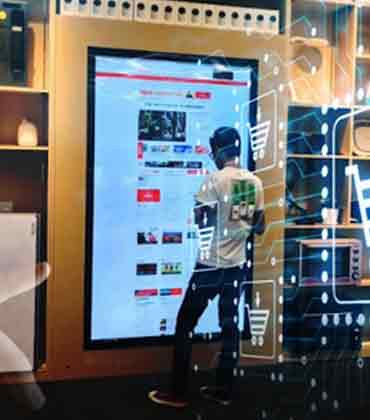
The seamless integration of digital and physical elements is at the forefront of this revolution. Smart retail displays leverage AR, VR, and interactive touchscreens to create immersive consumer environments. With the advent of technology, traditional shopping experiences have evolved dramatically. One of the most significant advancements in this regard is the integration of smart retail displays, which reshape how consumers interact with products and brands. From enhancing engagement to streamlining operations, these displays are revolutionizing the shopping experience in numerous ways. The displays allow shoppers to visualize products in real-world settings, try on virtual clothing, or even customize their purchases on the spot. By blurring the lines between the digital and physical realms, retailers can provide customers with a more engaging and personalized experience. Smart retail displays give consumers access to a wealth of product information. Gone are the days of searching for a sales assistant to answer questions about a particular item. With interactive displays, shoppers can scan barcodes or QR codes to instantly retrieve product details, customer reviews, and even recommendations based on their preferences. Transparency and accessibility foster trust and enable shoppers to make more informed purchasing decisions. Using technologies like RFID (Radio Frequency Identification) and sensors, these displays can track inventory levels in real-time, alert staff to restock shelves, and even analyze customer behavior patterns by automating routine tasks, such as inventory counting and pricing updates, smart displays free up staff to focus on delivering exceptional customer service. Smart retail displays are revolutionizing how retailers engage with their customers beyond the physical store environment. For instance, a customer who interacts with a product demonstration on a smart display in-store may receive personalized recommendations or promotional offers when browsing the brand's website later on. The seamless integration enhances brand loyalty and drives sales by providing a consistent and cohesive experience across all channels. The upfront costs associated with implementing these technologies can be significant, requiring retailers to carefully weigh the potential return on investment. Privacy concerns, data security risks, and the potential for information overload are just a few of the issues that retailers must address to ensure a positive and trustworthy experience for consumers. The benefits of smart retail displays in reshaping the shopping experience are undeniable. By leveraging technology to create immersive, informative, and efficient environments, retailers can differentiate themselves in a competitive market and meet modern consumers' evolving needs and expectations.The articles from these contributors are based on their personal expertise and viewpoints, and do not necessarily reflect the opinions of their employers or affiliated organizations.
