

Thank you for Subscribing to Retail Business Review Weekly Brief
Retail Business Review: Specials Magazine
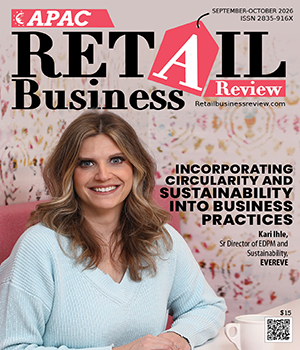
Sustainability is becoming increasingly important for fashion and retail brands, as the negative impacts of the industry on the environment and society have become more apparent. Fashion is one of the most polluting industries in the world, with massive amounts of waste, water usage, and greenhouse gas emissions. Added to that, consumers are becoming more aware of the need for sustainability and are demanding that brands take responsibility for their environmental and social impact. Sustainable fashion brands must prioritize using eco-friendly and ethically sourced materials, reducing waste, and ensuring fair labor practices. By investing in more sustainable strategies, fashion brands not only reduce their negative impact on the planet and people but also build trust with consumers who prioritize environmentally conscious and ethical practices. Ultimately, incorporating circularity and sustainability into business practices is crucial for fashion brands to stay relevant and competitive in an increasingly environmentally conscious world. Conversely, sustainability and eco-friendly labels and declarations by brands come with more and more risk, as consumers become more informed, and regulations provide guides for accountability and structure for lawsuits. It is becoming more crucial that brands fully understand the complete footprint and lifecycle of all aspects of their products and carefully share information to consumers. In some cases, as brands launch new sustainability road maps and initiatives, a less is more approach to communications, may be the best way to start. Ideally, creating transparency regarding production processes and true social and environmental impact of all areas of the business will be important to share with consumers to mitigate risk. This includes being straightforward with successes and failures. That true authenticity is what consumers are looking for, and what will lead to more positive outcomes for brands in the long run.
Retail Distribution Service
Typical distribution models focus on the transactional aspect of selling a product, with little or no attention given to maintaining the relationship beyond a sale. The foundation of Virtual Supply is in stark contrast to this; it is built upon forging and nurturing meaningful relationships. It stands out as a strategic distribution partner that emphasizes a deeper level of engagement and collaboration with clients. Virtual Supply is a full-service, direct-to-consumer distributor that delivers strategic distribution, fulfillment and custom solutions to manufacturers and retailers. It seamlessly manages processes end-to-end, including product introduction, sales, marketing, fulfillment and reverse logistics. By working with clients on joint initiatives and sharing invaluable resources, expertise and risks, Virtual Supply enhances operational efficiency. “Our commitment to building reliable and meaningful customer relationships sets us apart,” says Chuck Taylor, CEO. “We establish long-term strategic plans that drive mutual success.” Proactive planning allows it to maintain product availability at all times and minimize disruptions. It works with retail partners across both inline and online platforms to manage the minimum advertised price, a key initiative for manufacturers to ensure a stable retail market. [CIOS_QUOTES_REPLACE] Virtual Supply is proficient in managing product returns–often a major issue for suppliers and retailers. Its in-house reverse logistics group receives, sorts, categorizes and efficiently processes returns across all channels to maintain value and consistency for partners. A dedicated division supports the goods not-for-resale channel for major retailers like Walmart and Costco. This requires a skill set and understanding of the in-store network, a specialty the company has built over its 30 years of experience in this space, supplying and supporting over 6,000 retail locations.

Retail Exterior Signage Service

How do stores tell their stories? The magic lies in the seamless blend of branding elements—logo, colors, design, lighting, and the overall mood and atmosphere of the store—creating a compelling and immersive narrative. When these elements are harmoniously integrated with a well-defined, consistent theme, they craft a memorable experience that engages customers. This is what Stratus excels in. A leading brand implementation company with over 150 years of combined expertise, Stratus crafts and executes versatile brand stories for the nation’s largest and most recognized brands. “We are not just sign makers; we are storytellers. We bring our clients’ brand narratives to life through strategic execution,” says Ryan Goldberg, Chief Customer Officer at Stratus. The company stands out for its ability to integrate multiple services, manage large-scale rollouts, and handle every aspect of brand implementation while coordinating everything into a unified project. It is organized into four specialized divisions—interior graphics, lighting, exterior signage, and maintenance—each offering distinct products and services designed to capture and enhance the essence of every brand. These divisions work in close collaboration with customer success managers, who oversee the commercial side of the business and focus on customer experience. Acting as the clients' primary point of contact, the managers ensure that despite the variety of product offerings and divisions, the company presents a cohesive and unified approach. Clients benefit from this all-inclusive strategy as they receive a seamless, single-point solution for their entire brand buildout. This streamlined, client-centric approach has proven to be highly efficient in a market where cost and meeting project deadlines are critical. Clients are actively involved in the planning process and risk identification through effective communication and transparency, receiving constant updates on the project's status.
Digital Vending Machine
Walk into any store, and the loyalty programs all start to blur, filled with uninspired points systems, dusty discounts, and rewards that barely register with today’s consumers. Shoppers have outgrown these outdated schemes. They want something more personal, relevant, and genuinely rewarding. They want experiences seamlessly fitting into their lives, not plastic cards and hollow promises. A shift is underway, and customers now expect brands to meet them with value that feels modern and thoughtful. Bango’s Digital Vending Machine®(DVM™), a turnkey platform, transforms how retailers engage with customers, making loyalty truly compelling. It combines cutting-edge technology with a curated approach to rewards, giving brands the tools they need to stand out in a crowded marketplace. The platform enables retailers to offer popular third-party digital subscriptions like Disney+, Netflix, and Xbox Game Pass. Think of it as a digital shelf already stocked with services people love and recognize as premium additions to their everyday life. It is also built for ease of adoption. Integration is streamlined through APIs, enabling scale at speed, while the platform flexes around any retailer’s existing infrastructure. Retailers can go live quickly with minimal technical effort, offering premium subscriptions as rewards, bundled perks, or loyalty milestones. Bango manages the heavy operational work, including provisioning, partner onboarding, offer management and redemption, while retailers retain complete control of branding and customer engagement. “The DVM™ turns everyday retail transactions and membership schemes into gateways to premium loyalty experiences,” says Paul Larbey, CEO. Continente & Disney+: A Simple Perk That Sparked Big Loyalty Wins The best proof of the DVM™’s impact comes from Continente, Portugal’s biggest supermarket chain. With over 350 stores and over four million families using its loyalty card, the company wanted to roll out a campaign that would turn heads during Christmas. Partnering with Bango and Disney, they used the DVM™ to launch a Disney+ subscription offer tied directly to the Cartão Continente program. The idea was beautifully simple. Spend a certain amount, and earn a Disney+ subscription. The redemption process was seamless as it was built into a loyalty program that customers already knew. This led to heightened engagement, increased loyalty card activations, and enhanced brand perception, fueled by the partnership with a global entertainment icon. “Offering Disney+ alongside our existing rewards strengthens our commitment to delivering the best benefits to our customers. This initiative is an example of Continente’s continuous effort to offer added value to the daily lives of all families,” said Filipa Appleton, head of brand & marketing at Continente.

CXO INSIGHTS

It's Time to Redefine Retail Entertainment Space
Jonathan Schwartz, VP of Real Estate and Business Development, IT’SUGAR

Sales Automation in B2B: The Secret Sauce to Business Growth
Julian Song, Regional Digital Marketing & eCommerce Manager, APMEA, Kerry [LON: KYGA]

Navigating Logistics Challenges in Australian Retail Apparel: Insights and Strategies
Veronica Denner, Head of Risk & Logistics, APG & Co Pty Ltd

5 Reasons Why True Digital Transformation Looks a Lot Like a Cult
Jorge Paz Soldan, Business Transformation Director, Starbucks

From Hands-On Operations to Strategic Pricing and Growth
Betsy Seiler, Director, Menu Operations and Pricing, Jack in the Box


IN FOCUS

Unlocking Strategic Growth with Retail Analytics
Real-time data helps deliver location-based promotions or mobile app alerts when a customer enters a store.
Digital Vending Machines Driving Innovation In Retail Experience
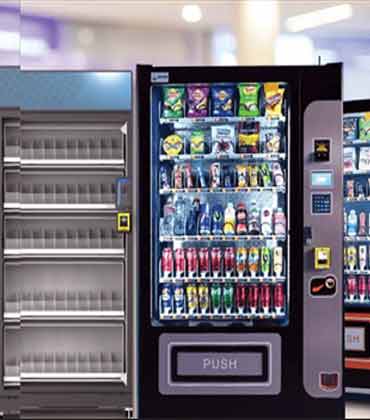
Digital vending machines use technology and automation to enhance convenience and operational efficiency, providing innovative, data-driven retail experiences for operators and consumers.
EDITORIAL
Redefining Value in APAC Retail
Retail across Asia Pacific is entering a new phase of competitive intensity where value is being redefined by relevance, experience and digital integration. In this edition of Retail Business Review APAC, we examine how retailers are reshaping loyalty, strengthening operational discipline and building ecosystems that reflect the realities of a mobile first and platform driven economy. The region’s diversity and scale demand strategies that are both agile and grounded in execution.
Customer engagement is no longer driven by transactions alone. Traditional loyalty structures built around points and periodic discounts are losing influence in markets where consumers live inside digital subscriptions, marketplaces and on demand services. Retailers are responding by designing engagement models that feel integrated into daily life. Rewards are becoming more experiential and digitally aligned. Loyalty is evolving into a strategic growth lever that connects partnerships, data and long term customer value rather than a standalone marketing tool.
Behind this shift lies operational rigor. Leaders across supply chain, pricing, technology and store operations are reinforcing the foundations that make seamless experiences possible. Resilient logistics networks, sharper demand forecasting and disciplined pricing strategies are enabling retailers to navigate volatility without losing sight of long term objectives. Technology investments are being evaluated for scalability, integration and measurable return. Data quality, security and cross functional alignment remain central to sustainable innovation.
In this edition we feature several influential industry leaders including Bryan Ransford, Director of Global Sales and Marketing for the Retail and Fashion Vertical at Expeditors and Jason Vella, Sr Director II of Assortment Transformation at Walmart, who have each blazed a trail in the industry. They share their perspectives on the current operating landscape and the evolving direction of the market, offering practical insight drawn from real world execution.
We believe these viewpoints will support more informed, data driven decision making as you navigate today’s retail environment.
